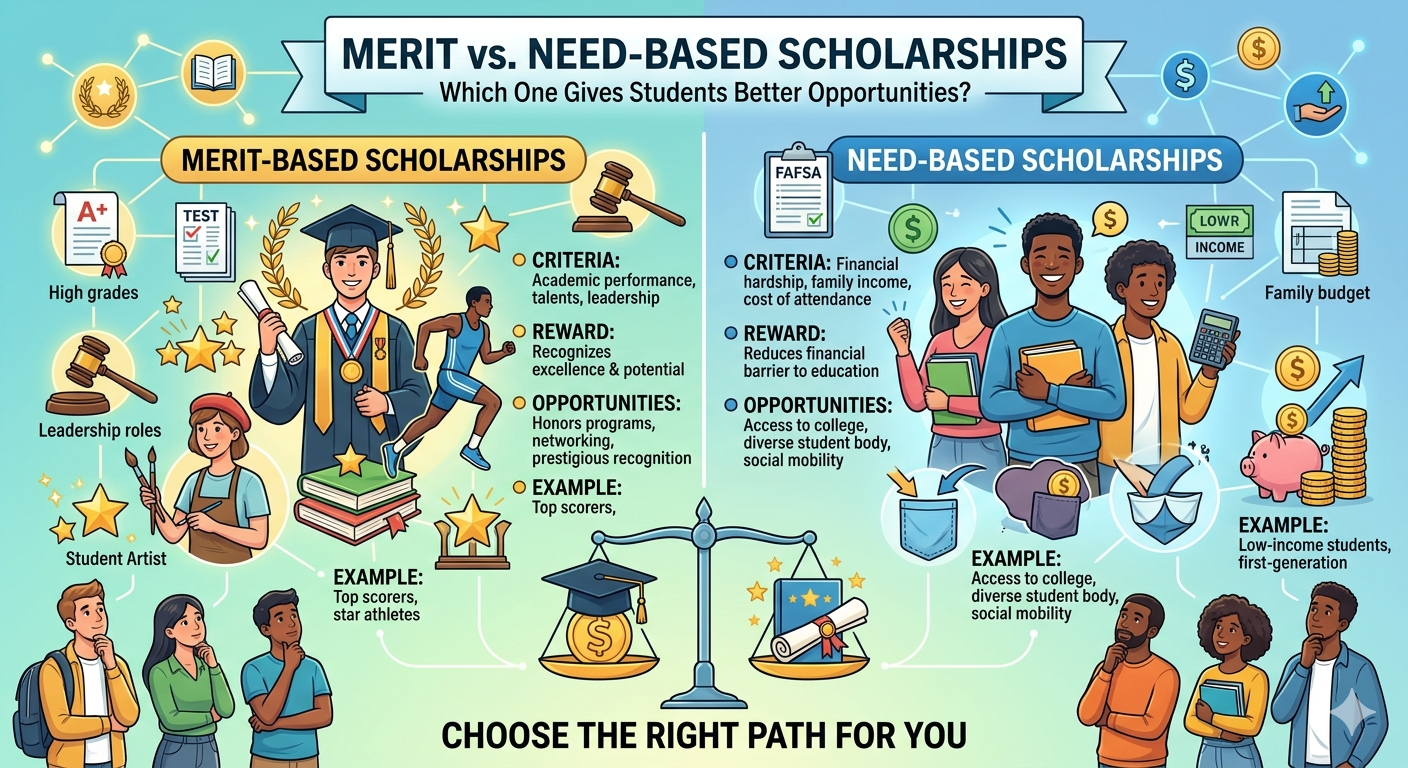
Education costs are rising every year, making scholarships more important than ever. Scholarships provide financial support that helps students continue replica watches their education without worrying about tuition fees or other expenses.
In 2026, thousands of scholarships will be available for students worldwide. These scholarships are offered by governments, universities, private organizations, and international institutions.
However, many students miss these opportunities replica watches UK simply because they don’t know how to find and apply for scholarships correctly.
This step-by-step guide explains how students can successfully get a scholarship in 2026.
Step 1: Start Searching for Scholarships Early
One of the biggest mistakes students make is waiting replica Rolex until the last moment to search for scholarships.
Many scholarship programs open 6–12 months before the academic year begins.
Where to find scholarships
Students can search scholarships on:
- Government scholarship portals
- University websites
- International scholarship programs
- Education and career websites
Starting early gives you enough time to prepare documents and meet deadlines.
Step 2: Check Eligibility Requirements
Before applying, students must carefully read the eligibility criteria.
Scholarships usually have requirements such as:
- Minimum academic scores
- Specific courses or subjects
- Age limits
- Financial background
- Nationality or residency requirements
Applying only to scholarships you qualify for increases your chances of success.
Step 3: Prepare Required Documents
Scholarship applications typically require several documents. Preparing them early helps avoid last-minute issues.
Common documents include:
- Academic transcripts or mark sheets
- Identity proof (passport or national ID)
- Income certificate (for need-based scholarships)
- Statement of purpose or motivation letter
- Letters of recommendation
- Resume or CV
Students should ensure that all documents are accurate and clearly formatted.
Step 4: Write a Strong Scholarship Essay
Many scholarships require an essay or personal statement. This is one of the most important parts of the application.
A strong essay should explain:
- Your academic achievements
- Your career goals
- Why you deserve the scholarship
- How the scholarship will help you achieve your goals
Tips for writing a strong scholarship essay:
- Be honest and authentic
- Use clear and simple language
- Highlight achievements and experiences
- Avoid grammar and spelling mistakes
A well-written essay can significantly increase your chances of winning a scholarship.
Step 5: Get Strong Recommendation Letters
Many scholarships require recommendation letters from teachers, professors, or mentors.
These letters should highlight:
- Your academic abilities
- Leadership qualities
- Work ethic
- Personal character
Choose recommenders who know you well and can provide detailed feedback about your abilities.
Step 6: Apply to Multiple Scholarships
Students should not rely on just one scholarship.
Applying to multiple scholarships increases the chances of receiving financial aid.
Different scholarships focus on different criteria, such as:
- Academic excellence
- Leadership potential
- Community service
- Research achievements
- Sports or arts talents
Applying to several programs improves the likelihood of success.
Step 7: Meet All Deadlines
Scholarship deadlines are very strict. Missing the deadline usually means automatic rejection.
Students should:
- Create a scholarship application calendar
- Track deadlines for each program
- Submit applications at least a few days before the deadline
Early submission also allows time to correct any mistakes.
Step 8: Prepare for Scholarship Interviews
Some scholarships require interviews as part of the selection process.
During the interview, students may be asked about:
- Academic goals
- Leadership experiences
- Career plans
- Motivation for applying
Tips for scholarship interviews:
- Practice common interview questions
- Dress professionally
- Speak confidently
- Be honest and clear in your answers
A strong interview performance can make a big difference.
Step 9: Maintain Good Academic Performance
Many scholarships require students to maintain certain grades to continue receiving financial support.
Students should focus on:
- Consistent academic performance
- Active participation in extracurricular activities
- Building leadership skills
Strong academic records make scholarship applications more competitive.
Step 10: Follow Up and Track Applications
After submitting scholarship applications, students should keep track of their status.
This may include:
- Checking email regularly
- Responding to additional document requests
- Preparing for interviews if shortlisted
Keeping organized helps ensure you don’t miss important updates.
Common Mistakes Students Should Avoid
Many scholarship applications fail due to simple mistakes.
Here are common errors to avoid:
Applying Without Reading Requirements
Students should always review eligibility criteria carefully.
Submitting Incomplete Applications
Missing documents can lead to rejection.
Writing Generic Essays
Each scholarship essay should be personalized for the specific program.
Missing Deadlines
Late applications are usually not accepted.
Avoiding these mistakes increases the chances of success.
Also Read : Fully Funded Scholarships for International Students in 2026
Benefits of Getting a Scholarship
Winning a scholarship provides several advantages for students.
Reduced Financial Burden
Scholarships cover tuition fees and other expenses.
Access to Better Education
Students can attend top universities and institutions.
Career Opportunities
Many scholarship programs offer networking and internship opportunities.
Academic Recognition
Receiving a scholarship highlights a student’s achievements and potential.
FAQs
1. When should students start applying for scholarships in 2026?
Students should begin searching for scholarships at least 6–12 months before the academic year.
2. Can students apply for multiple scholarships?
Yes, students can apply for multiple scholarships to increase their chances of receiving financial support.
3. Do scholarships require high academic scores?
Many scholarships are merit-based and require strong academic performance, but some also consider leadership and extracurricular achievements.
4. What documents are usually required for scholarship applications?
Common documents include academic transcripts, identification, recommendation letters, and a personal statement.
5. Are scholarships available for international students?
Yes, many universities and organizations offer scholarships for international students worldwide.